 how-to
9 Steps to Prepare a Used Car for Sale
Quick Summary
Preparing used cars for sale starts with ranking faults by cost and visibility, fixing cheap safety and visible problems first, and cleaning the car thoroughly. Then run a DIY inspection, gather the paperwork, and photograph the car honestly before advertising.
- Sort faults into safety, visible and hidden piles, and fix safety issues first.
- Replace bald tyres and failed bulbs, and fix warning lights before listing.
- Run the DIY inspection checklist twice: once to find fixes, once the day before listing.
- Gather the V5C, service history, MOT certificate and keys before you advertise.
- Photograph the car in daylight and show all damage honestly in the photos.
Table of Contents
- Start With a Cost-Ranked Preparation Plan
- Run a Used Car Pre-Sale Inspection Yourself
- Clean, Detail and Repair the Interior and Exterior
- Gather the Paperwork Before You Advertise
- Photograph the Car Properly and Book Your Next Step
- Frequently Asked Questions
Start With a Cost-Ranked Preparation Plan
Not every fault is worth fixing before you sell, and spending money in the wrong order is the fastest way to lose it when preparing used cars for sale. If you would rather skip the preparation work, you can part exchange your old car and compare the offer against what repairs would cost you.
Sort the list into three piles: safety faults, visible faults, and hidden faults. If you have already decided to sell, you can sell your car directly without fixing everything first. Safety faults come first, because a dangerous defect is hard to sell. Visible faults come next.
Which Repairs Are Worth Paying For
Fix the faults a buyer will spot in the first five minutes: warning lights, cracked windscreens, bald tyres and dead bulbs all put doubt in a buyer's mind. To see how a one-month warranty compares with what buyers expect after sale, read this guide. Most are cheap, and buyers assume the worst about anything left broken.
Leave expensive mechanical work to the buyer unless it is a safety issue. A £1,500 gearbox repair rarely adds £1,500 to the sale price. Be honest about it and lower the asking price to match.
- Replace bald or illegal tyres (The Road Vehicles (Construction and Use) Regulations 1986)
- Fix warning lights and replace failed bulbs
- Repair a cracked windscreen before it spreads
Where Cleaning Gives the Best Return
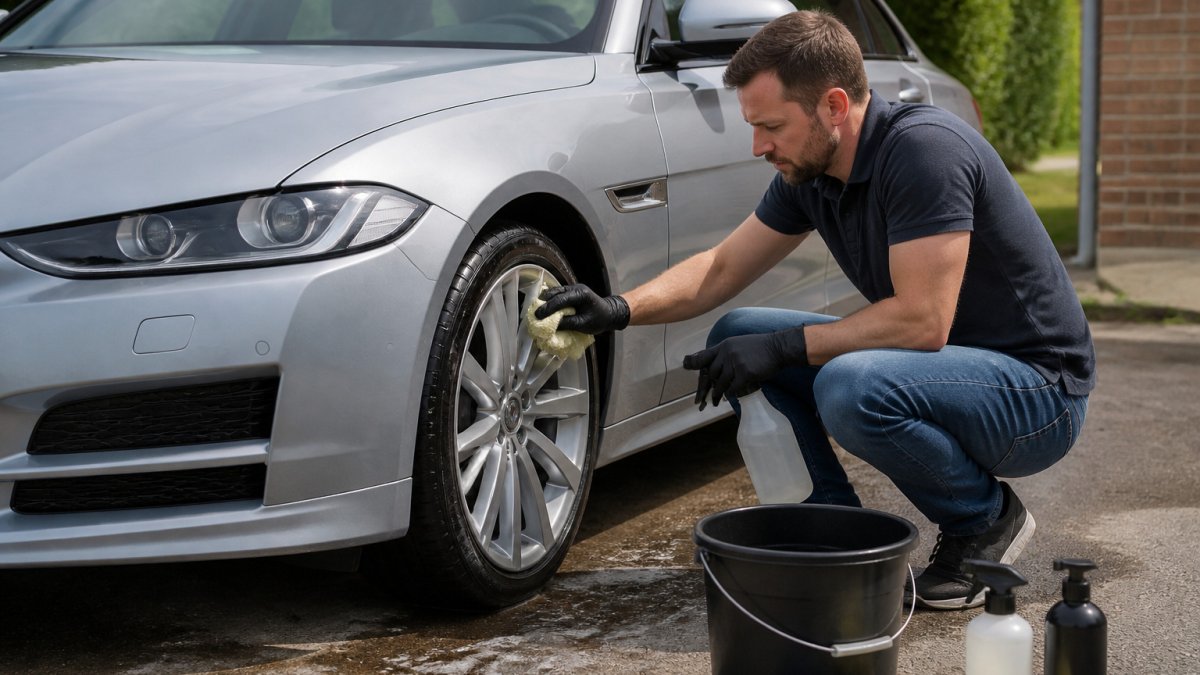
Cleaning is the cheapest improvement you can make when preparing used cars, and it changes how a buyer feels about the whole car. A clean, smelling-fresh car looks better cared for, even when the mechanics are unchanged.
Focus on the places buyers look first: the dashboard, the seats, the boot, and the wheels. Clean interiors often add more to perceived value than a new set of tyres would.
Run a Used Car Pre-Sale Inspection Yourself
Check the car the way a buyer will, before anyone else does, because preparing used cars properly starts with an honest look at them. A short DIY inspection takes about an hour and shows you what a buyer's inspector will find.
Use the same order every time so nothing gets missed. Run the checklist once now, fix what is cheap, then run it again the day before you photograph the car.
A Repeatable DIY Inspection Checklist
Work through these in sequence. Tick each item off, and note the condition rather than just pass or fail.
- Tyres and wheels. Check tread depth across the centre and both edges of each tyre, not just one spot. Look for cuts, bulges and uneven wear that hints at alignment or suspension problems. Check pressures when cold and confirm the spare or tyre-inflation kit is present and usable.
- Lights. Check every light: headlights on dipped and main beam, indicators on all four corners, brake lights, reversing lights, rear fog light and number-plate lights. Replace failed bulbs before listing, they are cheap and a buyer notices them immediately.
- Fluids. Check engine oil level and colour on a cold engine, coolant level against the min/max marks, brake fluid level, screenwash, and, where accessible, power-steering fluid. Low or dirty fluids suggest neglect.
The Safe Test Drive
A test drive is where mechanical faults show themselves, so do it properly and safely. Choose a quiet road, take someone with you, and never drive a car you suspect has a braking or steering fault.
- Start the engine from cold and listen for rattles, tapping or an uneven idle.
- Test the brakes at low speed first, then at a moderate speed on a clear road. Note any pulling to one side, vibration through the pedal, or a spongy feel.
- Check the steering for play, pulling or noise on full lock.
When to Pay a Mechanic Instead
Most of this checklist is free and worth doing yourself. Pay a mechanic only where the cost of being wrong is high or the diagnosis needs equipment you do not have.
- Use a garage for warning lights that stay on, brake or steering faults, suspension knocking, clutch or gearbox symptoms, and any suspected head-gasket or cooling problem.
- Use a garage where a fault could affect roadworthiness or safety, because you cannot disclose your way out of a dangerous defect.
- Do it yourself for bulbs, wipers, fluids, tyre pressures, cleaning and cosmetic checks.
A pre-sale inspection by a qualified mechanic can give you a written report you can show buyers. For older or higher-mileage cars, that report often pays for itself by supporting your asking price and heading off disputes.
The checklist below sums up what to check in the pre-sale inspection and when a mechanic is worth paying for.
| Check | What to look for | When to act |
|---|---|---|
| Tyres and wheels | Tread depth across centre and both edges, cuts, bulges | Before listing; replace bald or illegal tyres |
| Lights | Headlights, indicators, brake, reverse and number-plate lights | Replace failed bulbs before listing |
| Fluids | Engine oil, coolant, brake fluid, screenwash | Check on a cold engine |
| Warning indicators | Lights that stay on, flash or never come on | Investigate before advertising |
| Bodywork and glass | Dents, scratches, rust bubbles, windscreen chips | Note condition for the asking price |
| Test drive | Brakes, steering, gears, knocking, smoke | Use a mechanic for brake or steering faults |
| Mechanic | Warning lights, brake or steering faults, suspension, clutch | Pay a garage where safety or diagnosis is involved |
Clean, Detail and Repair the Interior and Exterior
A thorough clean makes the car look better looked after than it is.
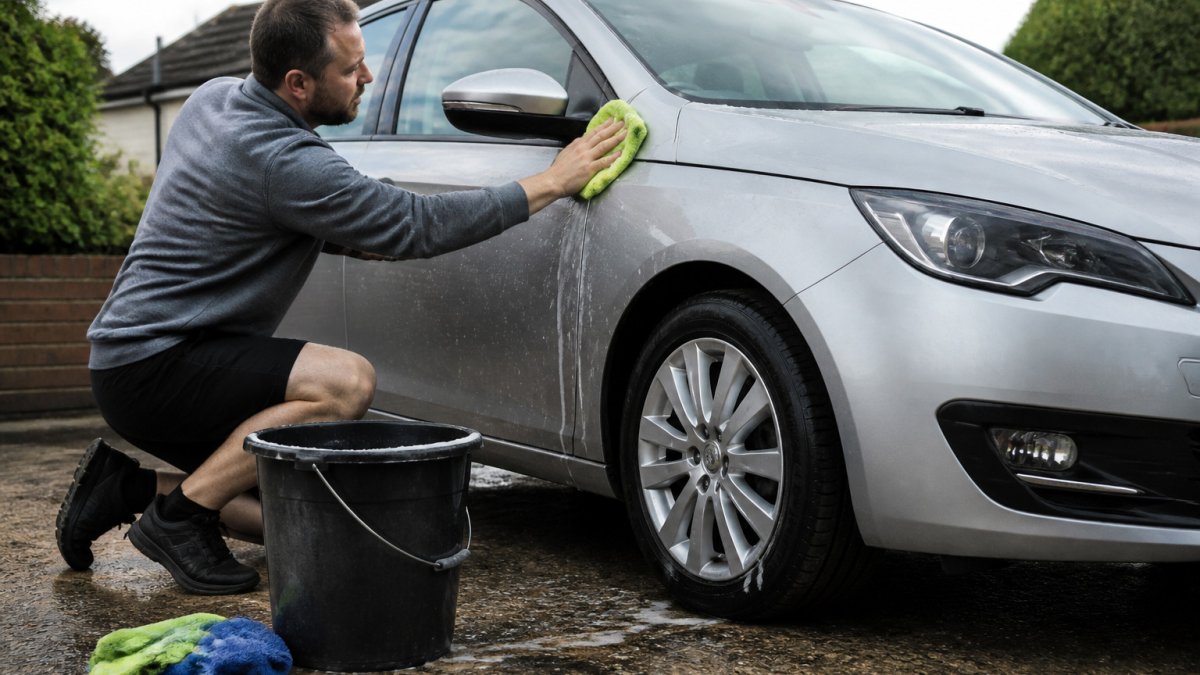
Check the bodywork for scratches, dents and paint chips. Small scuffs can often be polished out cheaply.
Remove strong smells. Smoke and pet odours put many buyers off completely, and a professional valet is often cheaper than you expect. Leave the car dry and clean when you photograph it.
Gather the Paperwork Before You Advertise
Paperwork decides whether a sale goes smoothly, and it is also where a private seller carries legal responsibilities when preparing used cars for the market. Gather everything a buyer will ask for before you write the advert. To see the standard disclosure document a seller provides, check the Initial Status Disclosure Document.
The Document Checklist
- V5C registration certificate (logbook). Check it is in your name, that the vehicle details match the car, and that the address is current. If it is not, sort it out before listing, a mismatched V5C stalls sales.
- Service history and receipts. A stamped service book plus receipts for repairs and parts is the strongest evidence of care. Keep them together in a folder.
- MOT certificate and history. Print or save the current certificate and check the online MOT history so you know which advisories were recorded and whether they were addressed.
Your Legal Responsibilities as a Seller
Private sales in the UK carry specific duties, and getting them wrong can cost you more than the car is worth. The exact rules vary by nation and by vehicle, so check current government guidance before you advertise.
- Describe the car accurately. You must not misrepresent the vehicle. A description that hides a known fault or overstates condition can expose you to a claim after the sale. Describe known faults plainly and keep a copy of the advert text. If a sale or paperwork dispute arises, see our complaints procedure.
- Disclose known defects. You are not expected to rebuild the car, but you are expected to be honest about what you know. Write down known faults and include them in the advert and in any conversation with buyers.
- Transfer the V5C correctly. When you sell, complete the seller's section of the V5C and give the buyer the new-keeper section. Keep a record of the sale date and the buyer's details, and notify the relevant licensing authority as instructed on the document. This protects you from being linked to the car after it has gone.
Build a Disclosure File
A disclosure file is the simplest way to protect yourself and reassure buyers. It does not need to be elaborate.
- Photograph existing damage before you clean the car, so the record is honest.
- Keep receipts for every repair and part you fit.
- Write a one-page summary of known faults, what was done about them, and what was left for the buyer.
Photograph the Car Properly and Book Your Next Step
Good photos bring in serious buyers and filter out time-wasters. Take them in daylight, on a clean background, from the same height each time.
Photograph the damage honestly. A buyer who finds a scratch you did not show will walk away, but one who sees it in the photos will trust the rest of your advert.
Once the car is listed, plan how you will handle viewings and payment.
Last Updated: November 1, 2026
Frequently Asked Questions
How do you prepare a used car for sale?
Start by inspecting the car and listing faults, then fix inexpensive problems such as warning lights, worn wiper blades, and tyre pressure. Service the car if the records are due, clean the interior and exterior thoroughly, and gather the V5C logbook, service history and MOT certificate. Finally, photograph the car in good light and write an honest advert that discloses known faults. Work through the steps in order so that cheap fixes come before cosmetic work.
Is it worth repairing a car before selling it?
Often yes, but only for faults that buyers notice or that would fail an MOT. Small repairs such as replacing bulbs, wipers or a cracked windscreen tend to pay back their cost in a stronger offer. Major mechanical work rarely returns its full cost, so disclose those faults clearly and price the car to reflect them. Get a quote before committing, and compare it with the likely drop in price a buyer would negotiate.
What paperwork do you need when selling a used car?
You will usually need the V5C registration certificate (logbook), the MOT certificate if the car is over three years old, and any service history or receipts for work carried out. Keep a copy of the sale invoice or receipt, and check that the car is not subject to outstanding finance or a recorded theft. Having these ready before advertising reassures buyers and speeds up the transaction.
What should you include in a used-car advert?
Include the make, model, year, mileage, engine size, fuel type, colour and number of previous owners. Add the MOT expiry date, the service history and any known faults, along with the asking price in pounds. Honest disclosure of faults protects you from later disputes. Use clear photographs and a short, factual description rather than vague marketing language.