 blog
How to Find a Reliable Used Car Dealer in Wincanton
Last Updated: October 26, 2026
Quick Summary
A reliable used car dealer in Wincanton shows you the service history, MOT record and vehicle status without fuss, and describes stock with specific detail rather than vague praise. Check the paperwork yourself on the DVSA MOT history service, and confirm in writing what any warranty covers and excludes.
- Check the registration, mileage and test results on the DVSA MOT history service yourself.
- Treat vague phrases like excellent condition as weak evidence; ask for specific preparation details.
- Confirm the warranty start date, covered components, exclusions and claim limits in writing.
- Dealers selling to consumers must meet obligations under the Consumer Rights Act 2015.
- Beware a low advertised price that only applies with a finance deal or add-on package.
Table of Contents
- What Makes a Used Car Dealer Reliable in Wincanton
- How to Check a Used Car Before Buying
- Used Car Dealer Warranty: What to Expect and What to Confirm
- Questions to Ask a Used Car Dealer Before You Commit
- Used Car Dealer Versus Private Seller in the UK
- Arranging Your Visit or Enquiry With TML Cars
- Frequently Asked Questions
What Makes a Used Car Dealer Reliable in Wincanton
Finding a reliable used car dealer in Wincanton comes down to a few checkable signals, not slick marketing. You can review the stated car standards that define what we promise to sell.
Start with the paperwork. Check the DVSA MOT history service yourself to confirm the registration, mileage and test results match what you have been told.
Next, look at how the dealer talks about its stock. Vague phrases such as "excellent condition" carry little weight. Specific descriptions of preparation, parts replaced and any known faults do.
Consumer protection is the third test. Dealers selling to consumers in the UK must meet obligations under the Consumer Rights Act 2015.
Watch out: a low advertised price that is only available with a finance deal or add-on package is often cheaper in headline terms and more expensive overall.
How to Check a Used Car Before Buying
Inspecting a car before purchase takes less time than most buyers expect and can prevent costly surprises.
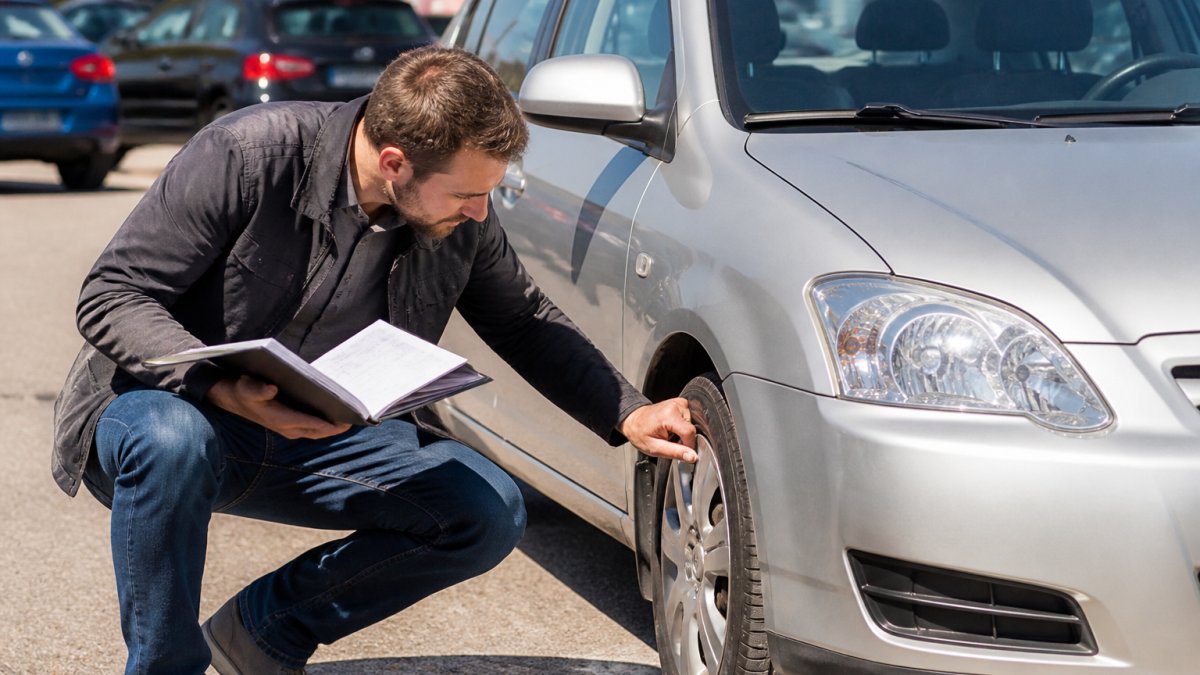
Begin with the documents. Confirm the registration number matches the logbook, check the V5C is in the seller's name and look for finance secured against the vehicle.
Then inspect the bodywork and tyres. Look for uneven panel gaps, paint that does not match and tyre tread below the legal minimum of 1.6mm across the central three-quarters of the tread.
Finally, take a test drive on varied roads. Listen for knocking, check the brakes pull straight and make sure the gearbox changes smoothly.
For a fuller check, a independent inspection before purchase is worth the fee on any car you are unsure about.
Used Car Dealer Warranty: What to Expect and What to Confirm
A warranty is only as useful as its terms, so read them before you buy. You can compare the warranty options from TML Cars against the points above. Ask exactly what is covered, for how long, and what is excluded. Many buyers assume a warranty covers everything, then discover wear items and pre-existing faults are not included.
Our standard warranty covers qualifying used vehicles for one month.
Use the checklist below to compare any warranty on a like-for-like basis. Ask each dealer to confirm these points in writing before you sign:
- Length and start date. Confirm whether cover begins on the date of sale or the date of first registration, and whether it transfers if you sell the car.
- What is covered. Ask for the specific components or systems included, not a general promise. A warranty that lists engine, gearbox and electrical systems is more useful than one that says "mechanical cover".
- Exclusions. Wear-and-tear items such as brake pads, clutches, tyres and batteries are commonly excluded. Ask whether diagnostic fees are covered if a fault turns out not to be covered.
- Claim limit and excess. Check whether there is a cap on any single claim or on total claims, and whether you pay an excess per claim.
- Repair location. Confirm whether repairs must be carried out by the selling dealer or can be arranged at a garage of your choice, and who authorises the work.
- Servicing conditions. Some warranties require you to service the car at specified intervals or use approved parts. Ask what happens to cover if you do not.
- Transfer and cancellation. Ask whether the warranty can be transferred to a new owner and whether you can cancel it and receive a refund.
Confirm three things in writing: the length of cover, the claim process, and whether repairs must be carried out by the dealer or can be arranged elsewhere. Also check how the warranty interacts with your statutory rights under the Consumer Rights Act 2015, which apply regardless of any warranty you are given. A warranty sits alongside those rights; it does not replace them.
If you are comparing dealers, ask each one the same set of questions and note the answers side by side. A dealer who is clear about exclusions and claim limits is easier to deal with than one who promises "full cover" without detail. You can read the full terms of any sale with us, including warranty terms, by reviewing our Terms and Conditions before you commit.
The article sets out the main points to compare across warranties, so the key terms can be checked side by side:
| Warranty point | What to confirm | Why it matters |
|---|---|---|
| Length and start date | Date of sale or first registration | Sets how long cover lasts |
| What is covered | Named components or systems | Shows real protection, not general promises |
| Exclusions | Wear items such as brake pads and tyres | Reveals what you pay for yourself |
| Claim limit and excess | Caps and per-claim excess | Affects the real cost of a claim |
| Repair location | Dealer or your chosen garage | Determines who authorises the work |
| Servicing conditions | Required intervals and approved parts | Can void cover if ignored |
| Transfer and cancellation | New owner transfer and refund rights | Matters if you sell or change plans |
Questions to Ask a Used Car Dealer Before You Commit
Asking the right questions before you commit protects you more than any sales pitch.
Ask the dealer to confirm the full service history and whether any work was carried out outside the manufacturer's schedule. Ask how the vehicle was prepared, what was replaced and what was left as it was.
Clarify the total cost. Ask about any admin, delivery or preparation fees, and whether the advertised price includes them. Ask whether you can speak to a named member of staff who knows the car, not just a sales script.
You can read the full terms of any sale with us before you commit by reviewing our Terms and Conditions. Clear answers to these questions are a good sign. Evasion is not.
Used Car Dealer Versus Private Seller in the UK
Buying from a dealer and buying privately each carry different trade-offs. A dealer generally offers more consumer protection, as the Consumer Rights Act applies to sales by a trader.
Under the Consumer Rights Act 2015, goods sold by a trader must be of satisfactory quality, fit for purpose and as described. The Citizens Advice guidance on buying a used car sets out the difference in plain terms.
Private sales can be cheaper on the headline price, but you carry more of the checking yourself and have less recourse if something goes wrong. Neither route is automatically safer.
Use the comparison below to weigh up the practical differences:
- Statutory rights. A trader sale carries Consumer Rights Act protections; a private sale generally does not.
- Warranty. Dealers commonly include a warranty, even if short. Private sellers rarely do, and any private warranty is only as good as the seller's willingness to honour it.
- Paperwork and history. A private seller may have less documentation, so you rely more on your own checks.
- Payment and finance. Dealers may offer finance and accept card payments, which can add protection. Private sales are usually cash or bank transfer, with less recourse if the car is misdescribed.
- Total cost. Compare the total outlay, including any inspection fee, warranty and expected maintenance, not just the asking price.
- Time and risk. A private sale requires you to inspect the car, check the paperwork and test drive it yourself.
If you do buy privately, arrange an independent inspection, check the V5C and MOT history, and confirm there is no outstanding finance before you pay.
Arranging Your Visit or Enquiry With TML Cars
If you are considering a vehicle from TML Cars Limited, you can start by browsing our current stock online, which is open at any hour. When you are ready, get in touch to check availability or ask about sourcing a specific model.
If you plan to spread the cost, you can apply for car finance for your used car purchase and see your options in advance. You will find our showroom details and opening hours on our contact page, so you can plan a visit to Wincanton with confidence.
Our aim is simple: a well-prepared car.
Frequently Asked Questions
How can I tell if a used car dealer is reliable?
Check reviews for patterns rather than single ratings, and ask whether the dealer is authorised and regulated for any finance it arranges. A dealer that pushes you to decide quickly or avoids written terms is a warning sign.
What should I check before buying a used car from a dealer?
Check the registration document against the car, confirm the mileage matches the service records, and look for outstanding finance or write-off markers using a recognised vehicle history check. Ask for the MOT history online and inspect the tyres, brakes and bodywork for uneven wear or repairs. Take the car for a test drive on varied roads. If you are unsure, pay an independent mechanic to inspect it before you agree the sale.
Is it safer to buy a used car from a dealer or a private seller?
Buying from a dealer usually gives you more protection, because the dealer is a trader under the Consumer Rights Act 2015 and must supply goods that match their description, are of satisfactory quality and are fit for purpose. A private sale is not covered by those statutory rights in the same way, so the buyer carries more of the risk. Dealers may charge more, and the protection depends on the dealer's conduct, so checks still matter in either case.
What warranty should I expect when buying a used car?
Compare the length, what is covered, what is excluded and whether the cover is provided by the dealer or a third party. TML Cars offers a standard 1-month warranty on qualifying used vehicles. Remember that your statutory rights under UK consumer law apply regardless of any warranty.