 Ultimate guide
Best Used Alfa Romeo Buying Guide for UK Buyers
Last Updated: November 7, 2026
Quick Summary
The right used Alfa Romeo depends on how you will use it, so start by deciding your annual mileage, whether you need rear seat or boot space, and how much you can spend on maintenance. Those answers point you to a body style and engine before you compare individual cars.
- Ask how many miles you will cover yearly and whether you need rear seats or boot space.
- Budget for maintenance, not just the purchase price, because cheap cars can cost more in the first year.
- A full service history is one of the strongest indicators of how a used Alfa Romeo was treated.
- Check rust around wheel arches, sills and underbody, plus oil and coolant leaks, during inspection.
- Take a test drive on urban, faster and motorway roads to assess behaviour at different speeds.
Table of Contents
- Choosing the Right Used Alfa Romeo for Your Budget and Needs
- Recommended Used Alfa Romeo Models and Body Styles
- Typical Used Prices, Depreciation and Ownership Costs
- Used Alfa Romeo Common Problems and Reliability Evidence
- Alfa Romeo Service History Check: What to Verify Before You Buy
- Used Car Inspection Checklist for Alfa Romeo: Rust, Oil Leaks and Exhaust
- Used Car Test Drive Checklist: What to Assess on the Road
- Buying Your Alfa Romeo from TML Cars: Next Steps and Aftercare
- Frequently Asked Questions
Choosing the Right Used Alfa Romeo for Your Budget and Needs
The right used Alfa Romeo depends less on the badge and more on what you will use it for. A weekend country car, a daily commuter and a keen enthusiast's weekend machine call for quite different specifications, and the budget you have will narrow the field quickly.
Start by answering three questions. How many miles will you cover each year? Do you need rear seat space or boot capacity? And how much are you prepared to spend on maintenance, not just the purchase price? Those answers will point you towards a body style and engine, which is where the real decision lies.
Budget matters here, but so does the age of the car. An older example bought cheaply can cost more over the first year than a newer one with a complete service history. Treat the asking price as the starting point of the conversation, not the end of it.
Recommended Used Alfa Romeo Models and Body Styles
Alfa Romeo's used market spans city hatchbacks, family saloons, sporting coupes and SUVs, and the model you choose should follow from how you will use the car rather than from the badge alone. The table below is a shortlisting aid, not a ranking: it groups the models most commonly considered by used buyers by body style, typical use case and the checks that matter most on that model. To see a real example, you can view a used Alfa Romeo Giulietta available in Wincanton now.
| Model | Body style | Typical use case | What to check first |
|---|---|---|---|
| MiTo | Three-door hatchback | City and commuter use, first Alfa | Rear subframe and suspension corrosion, electrical gremlins, service history on the small petrol units |
| Giulietta | Five-door hatchback | Daily family use with a sporting edge | Dual-clutch gearbox behaviour on TCT versions, suspension wear, infotainment faults |
| 159 | Saloon and Sportwagon | Longer journeys, load carrying | Rust around sills and arches, diesel particulate filter condition on oil-burners, suspension bushes |
| Brera / Spider | Coupe and convertible | Weekend and pleasure use | Roof mechanism on the Spider, heavy front-end wear, tyre and brake costs |
| Giulia | Saloon | Driver-focused daily use | Electronic parking brake and infotainment faults, tyre wear, service intervals |
| Stelvio | SUV | Family and touring use | Tyre and brake wear given the weight, electrical faults, service history |
| GT | Coupe | Enthusiast use, older-car ownership | Rust in the floor and sills, engine bay condition, parts availability |
Hatchbacks, Saloons and Coupes: Which Body Style Suits You
Hatchbacks such as the MiTo and Giulietta are the most practical entry point. They park easily, return reasonable fuel economy on the smaller engines and keep running costs manageable, which makes them the sensible choice for a first Alfa or a car that has to do everything. The Giulietta in particular offers five doors and a usable boot, so it suits a small family better than the three-door MiTo.
Saloons and estates, including the 159 and the later Giulia, bring a more traditional driving position, a larger cabin and a proper boot. Browse a used Alfa Romeo Giulia saloon to see how the body style looks in practice. The 159 Sportwagon is the load-carrier of the range and suits buyers who want the Alfa feel with estate practicality, while the Giulia is the more modern, driver-focused choice. Expect higher tyre and brake costs on the heavier saloons.
Coupes and convertibles, the Brera, Spider and GT, trade rear space and load capacity for styling and character. They appeal to buyers who will use the car for pleasure, but they carry the highest risk of deferred maintenance, so a thorough inspection matters more here than on a hatchback. A quick rule: if the car must carry people and shopping daily, lean hatchback or estate; if it is a second car for enjoyment, a coupe or convertible is worth a closer look.
Engine Options, Performance and Driving Experience
Engine choice shapes both the driving experience and the ownership bill. Twin Spark petrol units found in older models are generally regarded as lively and distinctive, but they reward regular servicing and cambelt attention. Diesel engines of this type generally offer strong mid-range pull and motorway economy, though diesel particulate filters can be affected by short journeys.
Before you commit, check the specific engine code and power output, because the same model name can cover very different units. Smaller engines usually mean lower road tax and fuel costs, while more powerful versions carry higher insurance and maintenance bills. Many drivers value Alfa Romeo steering feel and cornering balance, so take a test drive on roads you know well and judge the car on its own terms rather than on the badge.
Typical Used Prices, Depreciation and Ownership Costs
This section sets out how to build a realistic budget, how depreciation generally affects a used Alfa Romeo, and what running costs to plan for once the car is on your drive. Prices move, so check live listings for current figures.
Building a Budget by Model and Age
A practical way to shortlist is to set a total budget and split it between purchase price and a contingency fund for immediate work. A common approach is to hold back a contingency fund for the first year of maintenance, with more needed on older or higher-performance models.
Relative positioning of models, to be checked against current listings:
- MiTo: generally among the more affordable entry points.
- Giulietta: typically priced above the MiTo, with variation by specification and service history.
- 159: condition and history often matter more than year of manufacture.
- Brera and Spider: priced largely on condition and rarity.
- Giulia and Stelvio: generally among the newer and higher-priced models in the range.
Compare several examples of the same model and year, and look at what each includes and how it has been maintained. For current guidance on individual vehicles and pricing, contact TML Cars Limited directly.
How Depreciation Works on an Alfa Romeo
Depreciation is steepest in the first few years and then flattens, which is why a three- or four-year-old car often represents better value than a newer one, provided its condition and history stand up. The rate is not uniform across the range: volume hatchbacks such as the MiTo and Giulietta tend to lose value faster in percentage terms, while limited or sporting models can hold value better once they reach the bottom of their curve. The practical lesson is to buy after the steepest fall, not before it, and to let condition and history, not the year alone, drive the decision.
Ownership Costs Beyond the Purchase Price
A transparent running-cost estimate is the part most guides leave out. Build yours from these lines:
- Servicing: budget for an annual service at a specialist, with major-interval work (cambelt where applicable, fluids, filters) costing more. Older Twin Spark and JTDm engines reward strict intervals.
- Parts: consumables such as tyres, brakes and suspension bushes are the recurring cost, and heavier saloons and SUVs wear them faster.
- Insurance: check the group for the specific engine and trim before you buy, because the same model can sit in very different groups.
- Fuel: match the engine to your journeys, a diesel suits high-mileage motorway use, a petrol suits shorter, mixed driving where a diesel particulate filter may struggle.
- Likely repairs: electrical components, cooling systems and suspension parts are the commonly discussed weak points, so keep a repair fund rather than assuming the purchase price is the whole cost.
A cheaper car with expensive routine maintenance can end up costing more over a year than a slightly dearer model that is simpler to run. A low asking price with no service history can be a false economy once the first repair bill arrives.
Used Alfa Romeo Common Problems and Reliability Evidence
No car is free from faults, and Alfa Romeo models are no exception. Issues with electrical components, cooling systems, suspension parts and certain engine-related items are commonly discussed. The frequency and severity of these problems depend heavily on the model, year and how well the car was looked after.
The most useful reliability evidence comes from the car's own history. Look for documented repairs, timing and cambelt service records, and evidence that known weak points have been addressed. Owner forums and independent reviews can help you spot patterns, but treat anecdotes with care.
A common mistake is assuming that a recent warranty or a clean appearance means a car is sound. Ask for the service history, check for recalls, and have a qualified mechanic look at the car before you buy. A small inspection fee is far cheaper than an unexpected repair bill.
Alfa Romeo Service History Check: What to Verify Before You Buy
A full service history is one of the strongest indicators of how a used Alfa Romeo has been treated. For a deeper guide, read how to verify used car service history before you commit. Ask for stamped service books or invoices from garages, and check that the dates, mileages and work carried out are consistent. Gaps in the record are worth questioning, even if the car looks well cared for.
Verify the mileage against the service entries. Odometer rollback is still a risk on older cars, so compare the recorded mileage at each service with the wear on the pedals, steering wheel and seats. Any mismatch should prompt a conversation before you go further.
Check that important items have been replaced at the right intervals, particularly the timing belt where applicable, along with fluids and filters. We encourage every buyer to read the service history carefully before committing.
For a deeper guide on verifying service records, see our resource on how to verify used car service history.
Used Car Inspection Checklist for Alfa Romeo: Rust, Oil Leaks and Exhaust
A structured inspection will reveal much of what you need to know. Start with the body, checking for rust around the wheel arches, sills, door bottoms and the underside. Surface corrosion can be treated, but structural rust is expensive to repair and can make a car unsafe.
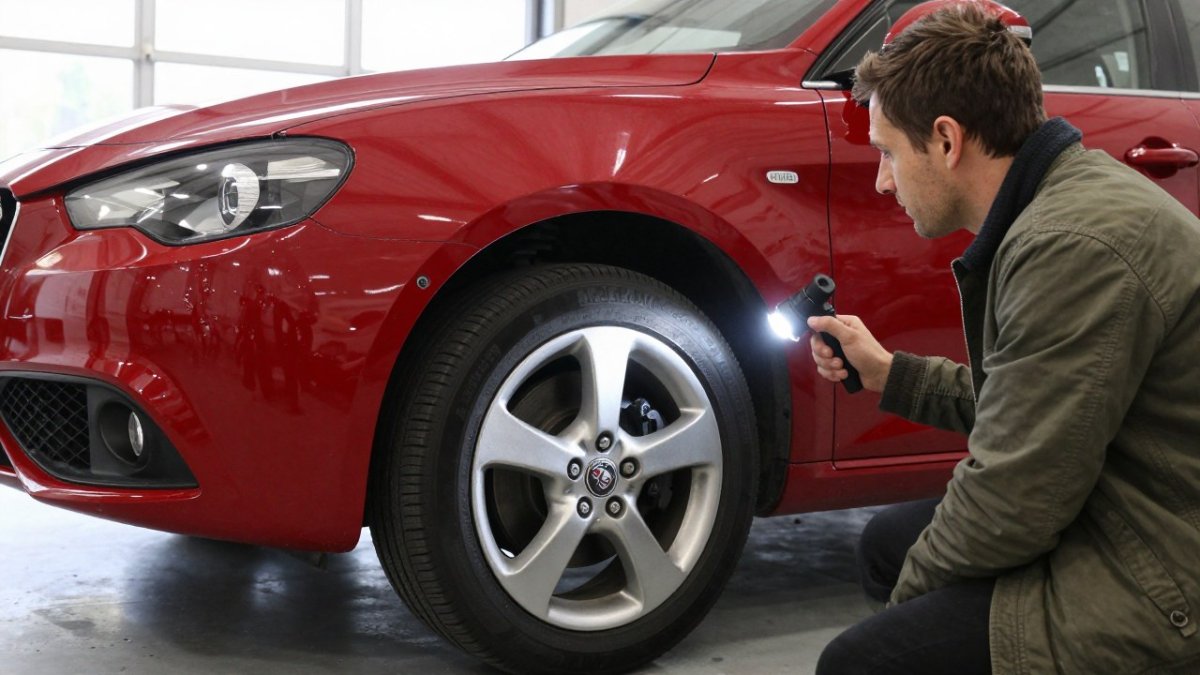
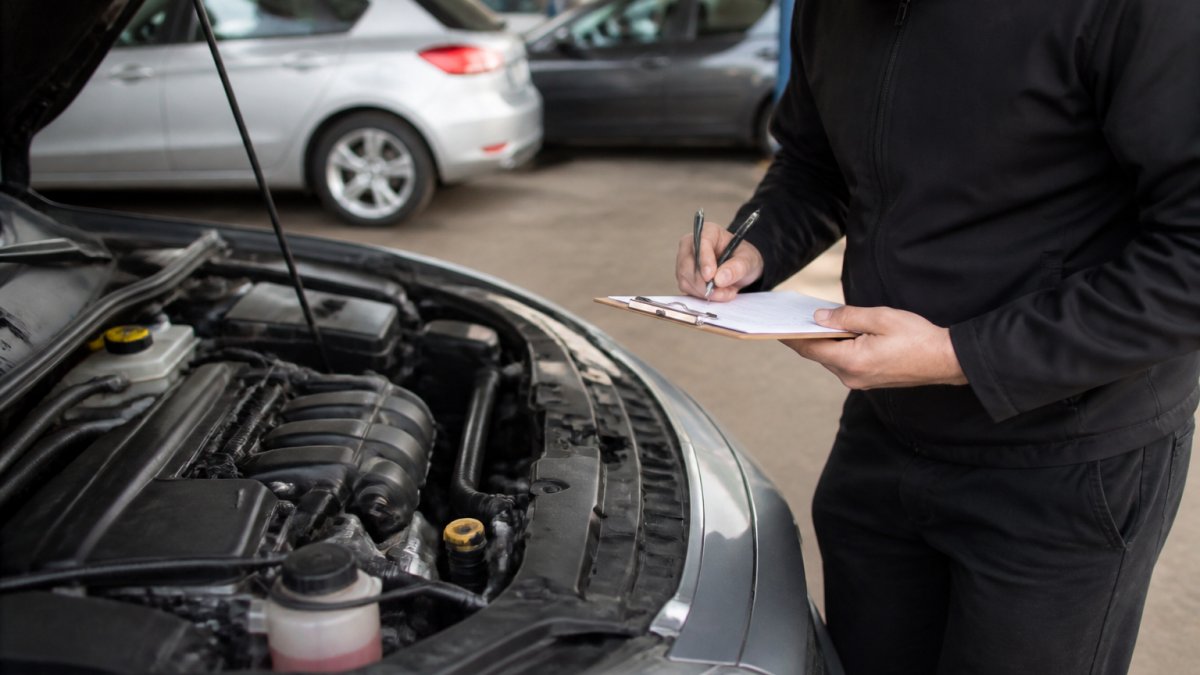
Next, look at the engine bay and underneath the car. Check for oil leaks around the sump, rocker cover and gaskets, and look for signs of coolant seepage. Start the engine from cold if you can, and note any smoke from the exhaust, which can indicate worn components or fuelling issues. A clean, steady idle is a good sign.
Examine the exhaust system for corrosion, leaks and unusual noises. Replacement exhausts are a recurring cost on older cars, so factor that into your budget if the system already shows wear. Use the checklist below to keep your inspection organised:
- Rust around wheel arches, sills and underbody
- Oil leaks from sump, rocker cover and gaskets
- Coolant leaks and a healthy coolant level
- Exhaust smoke colour on cold start
- Exhaust condition, joints and mounting points
- Battery condition and warning lights on start-up
Used Car Test Drive Checklist: What to Assess on the Road
The test drive is where you judge how the car actually feels. Drive it on a mix of roads, including urban streets, a faster road and, if possible, a motorway section, so you can assess low- and high-speed behaviour. Pay attention to how the car responds when you accelerate, brake and change direction.
Listen for unusual noises from the suspension, transmission and brakes. Clunks over bumps can point to worn bushes or dampers, while squeals or grinding under braking deserve investigation. Check that the gearbox changes smoothly and that the clutch, if fitted, engages without slipping or juddering.
Confirm that every warning light goes out once the engine is running, and test the air conditioning, infotainment, lights and wipers. Note the steering feel and whether the car pulls to one side. A test drive is also your chance to get comfortable in the driving position and check visibility, so do not rush it. Once you are happy with the checks, you can book a test drive at TML Cars in Wincanton.
Buying Your Alfa Romeo from TML Cars: Next Steps and Aftercare
Once you have shortlisted a car, the next steps are to arrange a viewing, confirm the history and agree the terms. TML Cars Limited, based in Wincanton, Somerset, offers an online showroom that is open around the clock, so you can browse specialist makes at any time and then speak to a member of our team when you are ready. You can find our Alfa Romeo stock in Wincanton and get in touch with our team.
Our vehicles are thoroughly prepared before sale, and qualifying used cars include a 1-month warranty. If you are looking for a particular model that is not currently in stock, our personalised car sourcing service can help you track down the exact specification you want. For current availability and terms, contact us directly.
Aftercare matters as much as the purchase itself. Keep your service records up to date, book routine maintenance on time and address any issues promptly. A well-maintained Alfa Romeo will reward you with years of enjoyable driving, and our team is always happy to advise on the next step.
Frequently Asked Questions
Are used Alfa Romeos reliable?
Reliability depends heavily on the specific model, engine and how well the car has been maintained. Many owners report good results with well-serviced examples, but some generations have a reputation for electrical quirks, cooling system issues and corrosion. Checking the service history, asking for evidence of timely cambelt and fluid changes, and arranging a pre-purchase inspection will tell you far more about an individual car than its badge alone. TML Cars prepares each vehicle before sale, but a independent inspection is always worth considering.
What should I check when buying a used Alfa Romeo?
Start with the service history, looking for stamped or dated entries from a recognised specialist. Then inspect the bodywork and underside for rust, check the engine bay for oil leaks and coolant residue, and run the engine from cold to watch for rough starts or smoke from the exhaust. During a test drive, assess gearbox smoothness, steering feel and any warning lights. Verify the V5C logbook matches the seller and the registration number.
What are common problems with used Alfa Romeos?
Frequently discussed issues include electrical faults such as intermittent dashboard warnings, wear on suspension bushes, cooling system leaks, and corrosion in wheel arches and sills on older examples. Turbocharged and Twin Spark engines should be checked for oil leaks and proper service intervals. Ask whether recent recalls have been completed, and request receipts for any repairs already carried out so you know which faults have been addressed.
How can I check a used Alfa Romeo's service history?
Ask the seller for the full service book and any invoices, then compare the mileage and dates against the recorded services. Gaps of more than a year or missing cambelt replacement records are warning signs. You can also check the MOT history on the DVSA website for mileage consistency and advisories. A dealer offering a transparent service record gives you a much clearer picture before you commit.
Is it expensive to maintain a used Alfa Romeo?
Running costs vary with the model, engine and your choice of workshop. Parts for popular models are generally available, but specialist labour can cost more than for mainstream brands. Budget for regular servicing, a cambelt change where due, and a reserve for wear items such as brakes and suspension. Ask the seller or specialist for an estimate of likely costs based on the specific car you are considering.
Should I buy an Alfa Romeo from a specialist dealer?
A specialist dealer often has better knowledge of common faults, access to brand-specific diagnostic equipment and a stock of models that suit enthusiasts. Look for a clear warranty, documented preparation and the willingness to talk through the vehicle with you directly. Compare what each dealer includes in its checks and what remains your responsibility after purchase.